Operations managers are the unsung heroes who keep the wheels of a business turning. They ensure that products and services are delivered smoothly, safely, and profitably while keeping customers and colleagues satisfied .
What Does an Operations Manager Do?
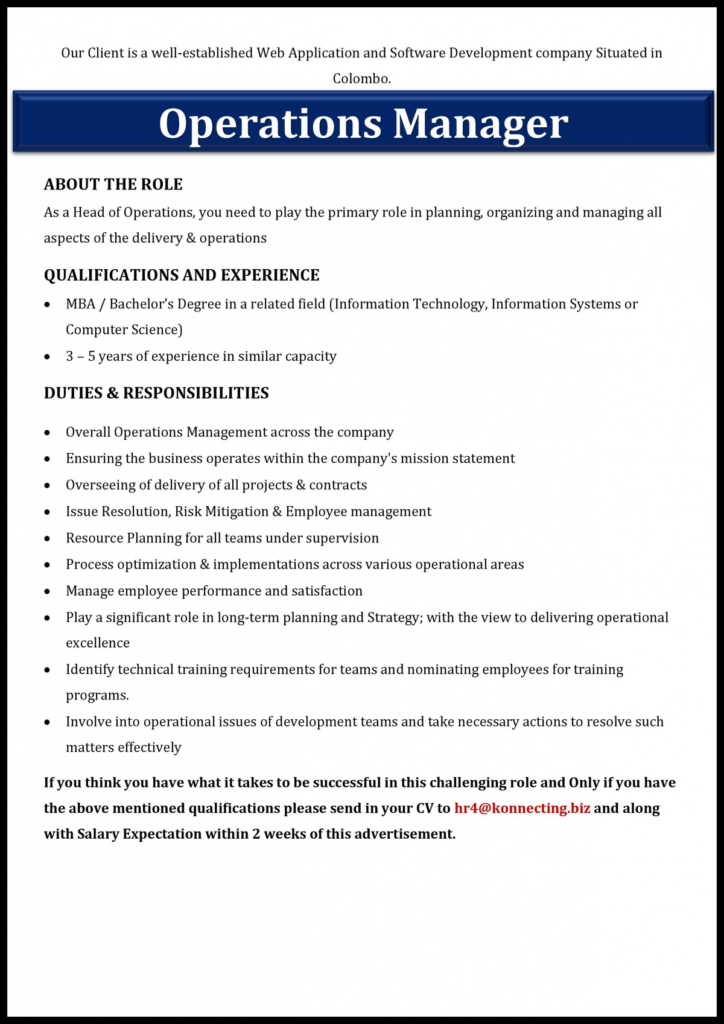
At its core, the role of an operations manager is about turning strategy into action. You are responsible for how work flows through a business, ensuring that teams, systems, and suppliers all pull in the same direction . While the specific flavor of the job changes by industry, the fundamental goal remains consistent: to oversee and improve the production of goods and delivery of services .
Key responsibilities include :
- Process Management: Analyze, design, and improve the processes by which goods and services are produced. This involves removing bottlenecks and introducing better ways of working.
- Team Leadership: Manage and motivate a team of staff. This includes setting objectives, handling one-to-ones, conducting performance reviews, and coaching team members.
- Budget and Cost Control: Oversee budgets, track spending, approve invoices, and find cost-saving opportunities without damaging service quality.
- Performance Monitoring: Use KPIs and dashboards to track output, quality, service levels, customer satisfaction, and safety.
- Supply Chain Management: Oversee the flow of goods from suppliers to customers. This includes managing inventory, distribution, and logistics.
- Stakeholder Management: Work closely with other departments like HR, Finance, IT, and Sales to keep everything aligned.
- Compliance: Ensure that the operation meets legal, regulatory, and internal policy requirements.
What Skills Do You Need to Excel?
Operations is a practical and results-driven field. To stand out, you need a blend of commercial awareness, people leadership, and comfort with data .
Key Skill Areas :
- Leadership and People Management: You need to set direction, coach others, handle conflict, and build a culture where people take ownership.
- Planning and Organization: Operations managers juggle competing demands. You must prioritize calmly, re-plan quickly, and communicate changes clearly.
- Analytical and Data Skills: You need to be comfortable with numbers—reading reports, spotting trends, understanding margins, and making decisions based on evidence.
- Process Improvement: Employers value people who can improve how work is done, not just keep it ticking over. Experience with lean, continuous improvement, or Six Sigma is a bonus.
- Commercial Awareness: Understanding how your decisions affect profit, cash flow, and customer loyalty is essential.
- Communication and Influencing: You sit between senior leadership and front-line teams. The ability to translate strategy into clear expectations is critical.
Personal Traits Employers Look For :
- Calm Under Pressure: You will deal with issues daily—missed deliveries, staffing gaps, or system outages. Staying composed and solution-focused matters.
- Ownership and Accountability: Taking responsibility for results, not blaming other departments.
- Pragmatism: Knowing when “good enough and on time” beats “perfect but late.”
- Resilience: Operations can involve early mornings, late finishes, and peaks in demand. Employers want people who can bounce back.
- People-First Leadership: Understanding that sustainable performance comes from engaged, well-supported teams.
Educational Requirements and Experience
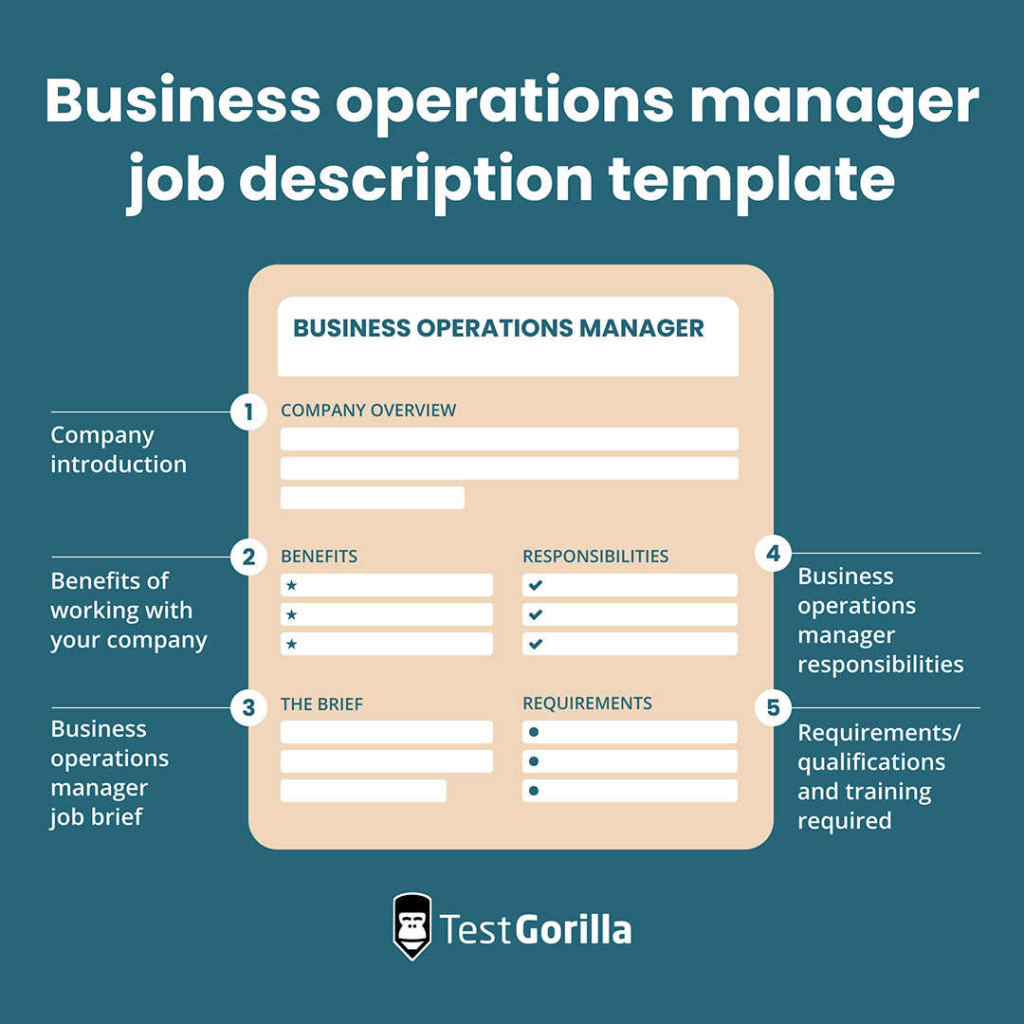
There is no single standard educational requirement to become an operations manager. However, a related degree or post-secondary diploma in business, engineering, or logistics is recommended . Employers in particular industries may require specialized courses or related experience.
Typical requirements include :
- Experience: Several years in a supervisory or management role within operations, logistics, manufacturing, retail, or a similar environment.
- Education: A bachelor’s degree in Business Administration, Operations Management, or a related field is often preferred.
- Technical Knowledge: Proficiency with Microsoft Office, ERP systems, inventory management platforms, and relevant regulations for your sector.
Salary Expectations
Operations manager salaries vary based on experience, location, and the specific industry. Here are some reference points:
| Experience Level | Pakistan (PKR) | Singapore (SGD) |
|---|---|---|
| Entry-Level (0-1 yrs) | ~Rs 360,000/year | N/A |
| Early Career (1-4 yrs) | ~Rs 734,000/year | N/A |
| Mid-Career (5-9 yrs) | ~Rs 850,000 – Rs 1,172,000/year | N/A |
| Experienced Professional | Up to Rs 3,000,000/year | $3,500 – $5,500/month |
| Roles requiring 3+ yrs exp | Rs 40,000 – 50,000/month | N/A |
Note: Specialized skills like People Management can increase earning potential significantly . For example, a role requiring a PMP certification often commands higher compensation .
How Success Is Measured
Operations is highly measurable. You will usually have a clear set of KPIs and targets. These vary by sector but commonly include :
- Service and Delivery: On-time delivery, SLA adherence, queue lengths, or waiting times.
- Productivity: Output per person/per hour, cost per transaction/unit.
- Quality: Error rates, returns, complaints, first-time-right metrics.
- Cost and Efficiency: Labor as a percentage of sales, overtime levels, wastage.
- People Metrics: Staff turnover, absence, engagement scores.
- Safety and Compliance: Lost-time incidents, audit scores, regulatory breaches.
Conclusion
A career as an operations manager is a great fit if you enjoy seeing how all parts of a business fit together and like being at the center of that activity . You will get satisfaction from fixing problems, streamlining processes, and making things work better while leading a team. If you are comfortable with accountability and prefer a varied, fast-moving day, this could be an incredibly rewarding career path.
Frequently Asked Questions (FAQs)
1. What is the main difference between an Operations Manager and a General Manager?
An Operations Manager focuses specifically on the production and delivery of goods and services, optimizing internal processes. A General Manager typically has broader responsibilities, including sales, marketing, and overall profit and loss for a business unit or entire organization.
2. Can I become an Operations Manager without a degree?
Yes, while a degree in business or a related field is often preferred, it is not a strict requirement for all roles . Substantial experience in a supervisory role within a specific industry, along with a proven track record of improving performance, can sometimes be more valuable.
3. What industries hire Operations Managers?
Operations managers are needed in virtually every industry. Common sectors include manufacturing, logistics and supply chain, retail, construction, healthcare, hospitality, and technology. The core skills are transferable, though industry-specific knowledge is a plus.
4. What is the typical career path to becoming an Operations Manager?
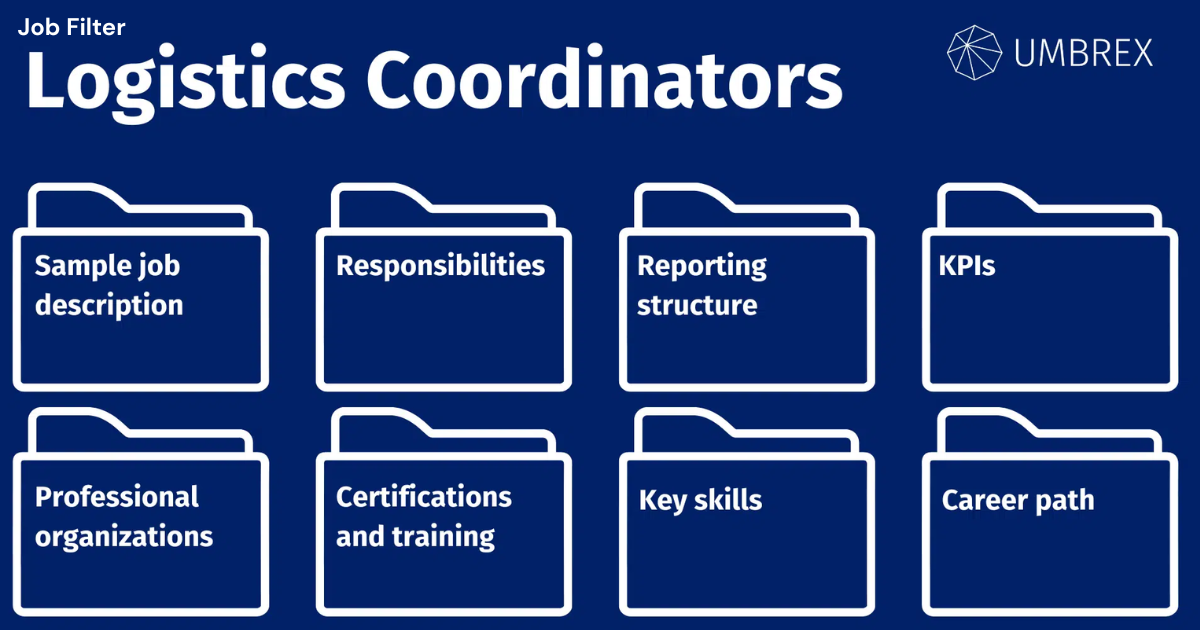
Most operations managers start in entry-level roles in their industry—for example, as a production supervisor, logistics coordinator, or team leader. They gain experience and move into roles like Assistant Operations Manager or Operations Supervisor, eventually progressing to the Operations Manager level .
5. Is an Operations Manager job stressful?

The role can be high-pressure. You are responsible for keeping the business running smoothly and are often the person others turn to when there are problems. However, if you enjoy problem-solving, leading people, and a fast-paced environment, the challenge can be very rewarding .