
Advertising is everywhere. It’s the billboard that catches your eye on a commute, the targeted social media ad that appears perfectly timed in your feed, or the Super Bowl commercial that becomes part of popular culture. This dynamic and creative field is a critical business function that builds brand awareness, shapes consumer perception, and drives revenue . For those considering a career in advertising, the industry offers a wide spectrum of roles that blend creativity, strategy, data analysis, and communication.
What is Advertising?
At its core, advertising is about creating and delivering persuasive messages to promote products, services, or brands to a target audience . It is the art and science of connecting a brand with its ideal customers, telling a compelling story that makes people stop, think, and act. While often confused with marketing and public relations (PR), advertising is a distinct discipline focused on paid communication that seeks to influence consumer behavior directly .
Key Roles and Career Paths
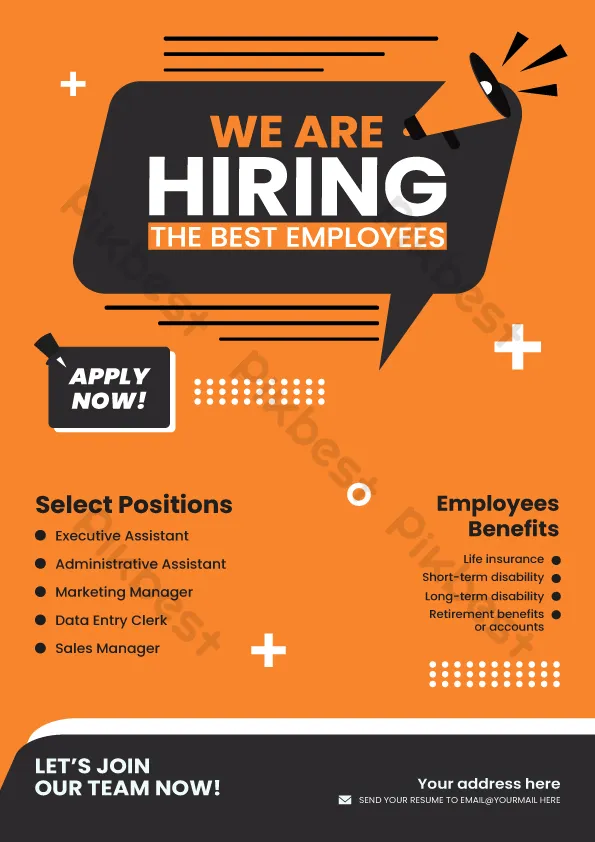
The advertising industry is vast and offers roles suited to many different skill sets. You don’t have to be a creative genius to find your place. Whether your strengths lie in data, strategy, client management, or design, there is a role for you . Here is a breakdown of some of the key career paths:
Account Management & Client Services
This role is the vital bridge between the client and the agency’s creative and strategy teams . Account managers are responsible for understanding the client’s business goals and translating them into clear briefs for the internal team.
- Key Responsibilities: Managing client relationships, ensuring campaigns are delivered on time and within budget, and coordinating between different departments .
- Common Job Titles: Account Coordinator, Account Executive, Account Director, Client Servicing Executive .
Creative & Copywriting
This is the engine room of the advertising world. Creative professionals bring ideas to life through visuals and words.
- Key Responsibilities: Developing the core concept, writing compelling ad copy, directing art and design, and ensuring the creative vision is executed effectively .
- Common Job Titles: Creative Director, Copywriter, Art Director, Junior Copywriter, Content Creator .
Media Planning & Buying
Media professionals ensure that the creative work is seen by the right people at the right time and in the right place. It’s a blend of data analysis, strategy, and negotiation .
- Key Responsibilities: Researching target audiences, identifying the best media channels (TV, digital, social, print), negotiating ad space, and optimizing campaign performance .
- Common Job Titles: Media Planner, Media Buyer, Media Associate, Assistant Media Planner .
Digital Marketing & Paid Ads
The digital space has become central to modern advertising, offering highly targeted and measurable opportunities.
- Key Responsibilities: Managing campaigns on platforms like Google Ads and Meta Ads Manager (Facebook, Instagram), analyzing performance data, and optimizing for conversions .
- Common Job Titles: Paid Ads Specialist, Paid Media Associate, SEM Analyst, Performance Marketing Coordinator .
Analytics & Strategy
This role focuses on the “why” behind a campaign . Strategy professionals use data and market insights to shape the direction of an advertising campaign.
- Key Responsibilities: Conducting market research, understanding consumer behavior, defining brand positioning, and measuring campaign effectiveness .
- Common Job Titles: Brand Strategist, Marketing Analyst, Growth Marketer .
Key Skills for the Modern Advertiser
Success in advertising requires a blend of soft skills and technical knowledge. Some of the most sought-after skills include :
- Creativity: The ability to develop original ideas and compelling campaigns.
- Analytical Skills: Using data to evaluate campaign performance and inform strategy .
- Communication: Excellent written and verbal skills for pitching ideas, writing copy, and liaising with clients and teams .
- Digital Literacy: Proficiency with social media platforms, SEO, PPC, email marketing, and web analytics tools .
- Project Management: Managing timelines, budgets, and resources effectively .
- Client Relationship Management: Understanding client needs and building strong, trusting partnerships .
Where Do Advertising Professionals Work?
Advertising professionals are employed across a wide variety of organizations, not just traditional agencies :
- Advertising Agencies: These firms (e.g., Ogilvy, BBDO) work with multiple clients to plan, create, and execute campaigns .
- In-House Marketing Teams: Many large companies (e.g., Nike, Amazon) have internal teams that manage their own advertising and branding .
- Digital & Social Media Companies: Tech giants like Meta, TikTok, and Google are major employers of advertising professionals .
- Consulting Firms: Some business consultancies offer advertising and marketing strategy services to their clients.
How to Get Started
The advertising industry can be competitive, especially for entry-level roles. To improve your chances, focus on :
- Gaining Experience: Work experience is essential. Look for internships, placements, and volunteer opportunities that allow you to build your portfolio .
- Building a Portfolio: For creatives, a strong portfolio showcasing your best work is non-negotiable.
- Networking: Connect with professionals in the industry through events and platforms like LinkedIn. Many roles are filled through connections.
- Developing Your Skills: Stay up-to-date with the latest tools, trends, and platforms. Consider short courses or professional certifications in digital marketing or analytics .
Frequently Asked Questions (FAQs)
1. What’s the difference between advertising and marketing?
Marketing is the umbrella term covering all activities a company does to promote its products and build a customer base, including market research, product development, pricing, and distribution. Advertising is a specific subset of marketing that involves paid, public communication to promote a brand, product, or service .
2. Do I need a degree to work in advertising?
While many professionals have a degree in marketing, communications, or business, it’s not always a strict requirement. Employers often value skills, experience, and a strong portfolio more than formal qualifications. However, a relevant degree can be a significant advantage in a competitive field .
3. What are the key skills needed for a career in advertising?
Key skills include creativity, strong written and verbal communication, analytical thinking, project management, digital literacy, and the ability to work well under pressure and as part of a team .
4. What is the typical career path in an advertising agency?
A common path might start with an internship or an entry-level role like an Account Coordinator or Junior Copywriter. With experience, you can progress to an Account Manager or Copywriter, then to a Director level (e.g., Account Director, Creative Director), and eventually to a leadership position like a Vice President or Chief Marketing Officer .
5. What is the highest-paying job in advertising?
High-level roles like Creative Directors, Account Directors, Media Directors, and Chief Marketing Officers (CMOs) are among the highest-paying positions in advertising, often commanding large salaries, especially in major global agencies or large corporations. These roles typically require many years of experience and a proven track record of success .
6. Where can I find advertising job openings?
You can search for jobs on general platforms like Indeed and LinkedIn, as well as industry-specific sites like Campaignjobs and the Institute of Practitioners in Advertising (IPA) website. Additionally, visiting the career pages of major advertising agencies (like Ogilvy, BBDO, Wieden+Kennedy) is a great way to find direct opportunities .