Meta Description: Discover logistics coordinator jobs—key responsibilities, required skills, salary expectations, and career growth in this essential supply chain role.
Introduction
In today’s interconnected global economy, the movement of goods is the lifeblood of commerce. Behind every product that arrives on a store shelf or at your doorstep is a complex network of planning, coordination, and execution. At the heart of this network is the Logistics Coordinator. This role is essential for ensuring that products are transported efficiently, cost-effectively, and on time.
A career as a logistics coordinator is dynamic, fast-paced, and vital to the success of businesses across every industry. If you are highly organized, enjoy problem-solving, and thrive in an environment where no two days are the same, a career in logistics could be an excellent fit. This comprehensive guide explores everything you need to know about logistics coordinator jobs, from core responsibilities and essential skills to salary expectations and career progression.
What is a Logistics Coordinator?
A Logistics Coordinator is a supply chain professional responsible for overseeing and managing the movement of goods from point of origin to final delivery. They act as the central hub of communication and coordination, ensuring that all parts of the supply chain—from suppliers and warehouses to transportation providers and customers—work together seamlessly.
The role is a blend of operations management, customer service, and problem-solving. Logistics coordinators track shipments, manage documentation, resolve issues that arise during transit, and ensure that all activities comply with safety and regulatory standards. They are the unsung heroes who ensure that the supply chain flows smoothly.
Core Responsibilities of a Logistics Coordinator
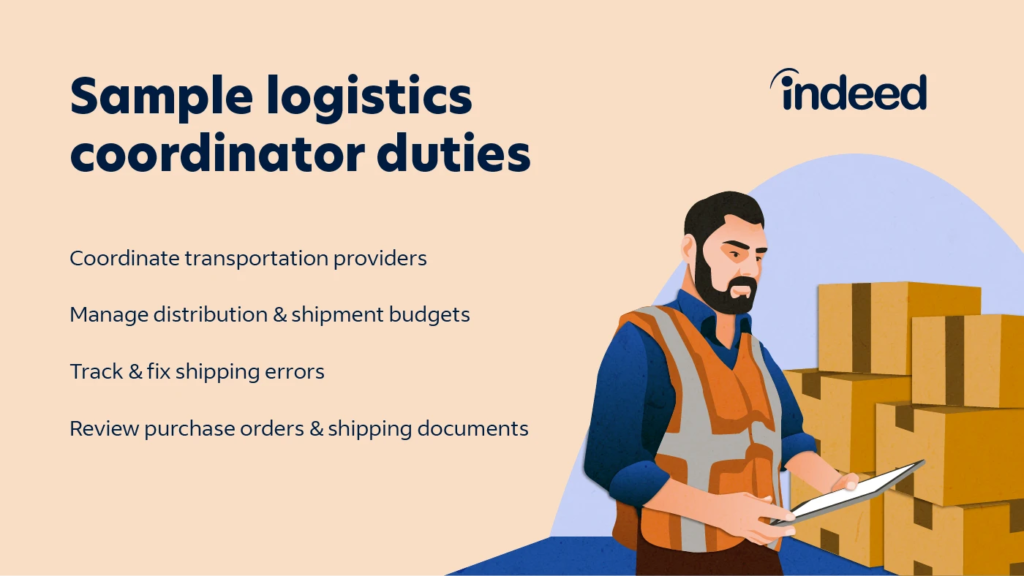
The responsibilities of a logistics coordinator are diverse and require a hands-on approach.
1. Planning and Coordinating Shipments
This is the foundational duty. It involves:
- Selecting Carriers: Choosing the most efficient and cost-effective transportation methods (truck, rail, air, sea).
- Scheduling: Coordinating pickup and delivery schedules to meet customer demands.
- Route Optimization: Planning the best routes to minimize transit time and costs.
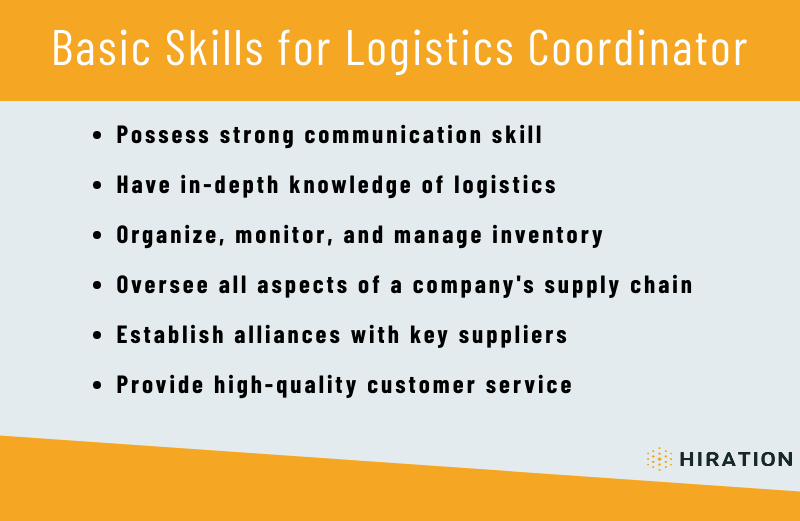
2. Managing Inventory and Warehousing
A key function is ensuring that inventory is available when needed. This includes:
- Tracking Inventory: Monitoring stock levels and ensuring accuracy between physical inventory and records.
- Warehouse Coordination: Overseeing inbound and outbound shipments, including unloading, storing, and picking goods.
3. Documentation and Compliance
The movement of goods involves a significant amount of paperwork. Duties include:
- Preparing Documentation: Creating and processing bills of lading, shipping manifests, and customs forms.
- Ensuring Compliance: Adhering to all domestic and international shipping regulations, including customs and safety requirements.
4. Tracking and Communication
Maintaining visibility and communication is crucial.
- Shipment Tracking: Monitoring the progress of shipments and providing updates to customers and management.
- Customer Service: Serving as the point of contact for clients regarding their shipments and resolving any questions or concerns.
5. Problem-Solving and Issue Resolution
The logistics world is unpredictable. Coordinators must handle:
- Resolving Disruptions: Addressing issues like delays, damages, lost shipments, or carrier problems.
- Finding Solutions: Developing contingency plans to keep the supply chain moving.
6. Cost Management
Keeping costs under control is a key part of the role.
- Negotiating Rates: Working with carriers to secure favorable pricing.
- Analyzing Costs: Identifying areas for cost savings in the logistics process.
Essential Skills for a Successful Logistics Coordinator
To excel as a logistics coordinator, a specific set of skills is required.
1. Organization and Time Management
The role involves juggling multiple tasks and deadlines. Strong organizational skills are essential for tracking shipments, managing documentation, and maintaining schedules.
2. Problem-Solving Abilities
In logistics, things rarely go perfectly according to plan. The ability to think on your feet and find creative solutions to unexpected challenges is crucial.
3. Communication and Interpersonal Skills
Logistics coordinators are the communication hub. They must have excellent verbal and written communication skills to interact with carriers, customers, warehouse staff, and management effectively.
4. Numerical Aptitude
The ability to work with numbers is essential for tracking costs, analyzing data, and managing budgets.
5. Technical Proficiency
Familiarity with logistics and supply chain management software (ERP systems), as well as standard office software (like Microsoft Excel), is a must.
6. Attention to Detail
A small mistake in documentation can lead to significant delays or financial penalties. Meticulous attention to detail is non-negotiable.
7. Stress Management
The logistics environment is often high-pressure, especially when dealing with tight deadlines and unexpected disruptions. The ability to remain calm and effective under stress is a valuable asset.
Qualifications and Education
There are various paths into a logistics coordinator career.
1. Education
A high school diploma or equivalent is often the minimum requirement. However, an associate’s or bachelor’s degree in Logistics, Supply Chain Management, Business Administration, or a related field is highly desirable and can lead to faster advancement.
2. Experience
Many employers prefer candidates with prior experience in shipping, receiving, or a related role. Experience with specific industry software is also a plus.
3. Certifications
While not always required, professional certifications can enhance your knowledge and credentials. Relevant certifications include:
- Certified Supply Chain Professional (CSCP)
- Certified in Production and Inventory Management (CPIM)
Salary and Career Outlook
Salary Expectations
The salary for a logistics coordinator varies based on experience, location, and the industry. On average, logistics coordinators in the United States can expect to earn between $40,000 and $60,000 per year. Those with extensive experience or in senior roles can earn significantly more.
Career Growth
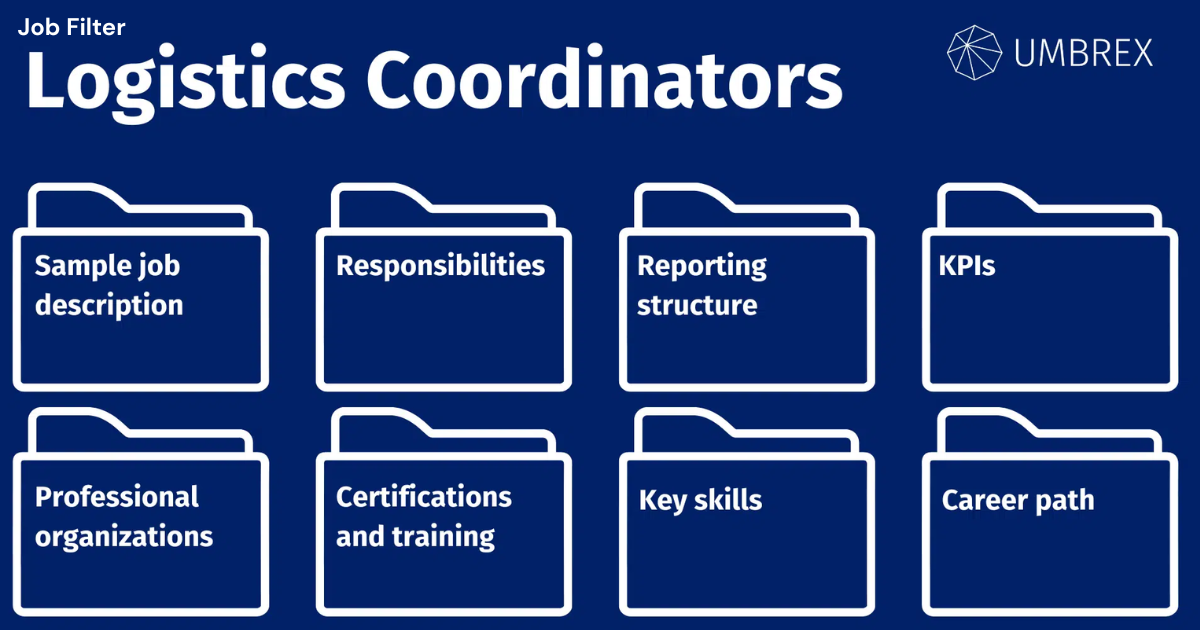
A career as a logistics coordinator offers a clear path for advancement.
- Entry-Level: Logistics Clerk or Shipping/Receiving Assistant.
- Mid-Level: Logistics Coordinator or Logistics Specialist.
- Senior-Level: Senior Logistics Coordinator, Logistics Supervisor, or Logistics Manager.
- Executive-Level: Director of Logistics or Vice President of Supply Chain.
The demand for logistics professionals is high and is expected to grow, driven by the increasing complexity of global supply chains and the continued expansion of e-commerce.
The Importance of a Logistics Coordinator
Logistics coordinators are the linchpin of the supply chain. They are essential for:
- Ensuring Customer Satisfaction: By ensuring timely and accurate deliveries.
- Maintaining Cost Efficiency: By optimizing shipping routes and negotiating rates.
- Streamlining Operations: By keeping the supply chain moving smoothly.
- Minimizing Disruptions: By proactively identifying and resolving issues.
How to Find Logistics Coordinator Jobs
- Online Job Boards: Websites like Indeed, LinkedIn, and Glassdoor list numerous positions.
- Industry-Specific Sites: Websites like Supply Chain Dive or Logistics Management often have job boards.
- Company Websites: Check the career pages of large retailers, manufacturers, and logistics companies like UPS, FedEx, and DHL.
- Recruitment Agencies: Many staffing agencies specialize in logistics and supply chain roles.
Frequently Asked Questions (FAQs)
1. What does a logistics coordinator do on a daily basis?
Answer: A typical day involves planning and scheduling shipments, tracking inventory, preparing shipping documents, communicating with carriers and customers, and resolving any issues that arise, such as delays or damages.
2. Is a logistics coordinator job stressful?
Answer: The role can be stressful and demanding due to tight deadlines, unexpected disruptions, and the responsibility of managing a complex supply chain. However, it can also be highly rewarding and satisfying.
3. What qualifications do you need to become a logistics coordinator?
Answer: Typically, a high school diploma is the minimum requirement. An associate’s or bachelor’s degree in logistics, supply chain management, or business is highly preferred. Relevant experience in shipping or warehousing is also valuable.
4. What is the career progression for a logistics coordinator?
Answer: Career progression often moves from Logistics Clerk to Logistics Coordinator, then to Senior Logistics Coordinator, Logistics Supervisor, Logistics Manager, and ultimately to Director of Logistics or VP of Supply Chain.
5. What are the most important skills for a logistics coordinator?
Answer: Key skills include strong organizational and time-management abilities, excellent problem-solving skills, clear communication, attention to detail, and the ability to work well under pressure.

Conclusion
Logistics coordinator jobs form the backbone of modern commerce. This role is far more than just tracking packages; it is a critical function that ensures the smooth and efficient flow of goods that our economy depends on. For individuals who are highly organized, enjoy solving puzzles, and are looking for a dynamic and hands-on career, logistics offers a challenging and rewarding path.
With the right skills, education, and a proactive attitude, a logistics coordinator can build a successful and impactful career with excellent opportunities for advancement. If you are ready to step into the fast-paced world of supply chain management, a career as a logistics coordinator is a great place to start.