Meta Description: Discover copywriter jobs—key responsibilities, required skills, salary expectations, and career growth in this creative and in-demand profession.
Introduction
In the digital age, words are one of the most powerful tools for business. From catchy slogans and compelling website copy to engaging social media posts and persuasive emails, the art of writing to sell and inform is everywhere. This is the domain of the Copywriter. A career as a copywriter is a unique blend of creativity, psychology, and marketing strategy. If you have a way with words, a curious mind, and a desire to influence how people think and act, copywriting might be your perfect career.
This comprehensive guide explores everything you need to know about copywriter jobs. We will delve into the core responsibilities, essential skills, qualifications, salary expectations, and career progression opportunities in this dynamic and ever-evolving field. Whether you are a wordsmith looking for a career change or a recent graduate, this article provides a clear roadmap to success in the world of copywriting.
What is a Copywriter?
A Copywriter is a professional writer who creates text, or “copy,” for the purpose of advertising, marketing, and promoting a product, service, idea, or brand. The primary goal of a copywriter is to persuade an audience to take a specific action, such as making a purchase, signing up for a newsletter, or engaging with a brand.
Unlike other forms of writing, such as journalism or academic writing, copywriting is fundamentally about conversion and persuasion. It involves understanding consumer psychology, adapting to different brand voices, and tailoring messages for specific audiences and platforms. A copywriter’s work is the voice of a brand, shaping how it communicates with the world.

Core Responsibilities of a Copywriter
The responsibilities of a copywriter can vary depending on the industry and employer, but they generally revolve around creating compelling, effective content.
1. Writing and Creating Content
This is the core function, encompassing a wide variety of formats.
- Marketing Collateral: Writing for brochures, flyers, and print ads.
- Digital Content: Creating website copy, landing pages, and blog posts.
- Email Marketing: Crafting engaging newsletters, promotional emails, and drip campaigns.
- Social Media: Writing posts and captions for platforms like LinkedIn, Instagram, Facebook, and Twitter.
- Advertising: Developing concepts and copy for online ads, billboards, and video scripts.
- Brand Messaging: Helping to define and refine a brand’s tone of voice and key messaging.
2. Research and Strategy
Effective copy is built on a foundation of research.
- Audience Analysis: Understanding who the target audience is, their needs, pain points, and motivations.
- Industry Research: Learning about a client’s product, services, and competitors.
- Keyword Research: Collaborating with SEO specialists to identify keywords that drive traffic.
3. Editing and Revising
Writing is rewriting. The process involves:
- Self-Editing: Reviewing and refining copy for clarity, grammar, and persuasive power.
- Incorporate Feedback: Revising copy based on feedback from stakeholders, clients, and legal teams.
4. Collaboration
Copywriters rarely work in isolation. They collaborate with:
- Designers: Ensuring copy fits with visual elements.
- Marketing Managers: Aligning copy with broader campaign goals.
- Clients: Understanding their vision and meeting their expectations.
5. Staying Current
The digital landscape changes constantly. Copywriters must:
- Follow Trends: Stay up-to-date on best practices in SEO, social media, and content marketing.
- Learn New Tools: Adapt to new platforms and technologies.
Essential Skills for a Successful Copywriter
To excel as a copywriter, a blend of creative talent and professional discipline is required.
1. Exceptional Writing and Grammar Skills
This is a given. A copywriter must have a firm grasp of the English language, including grammar, punctuation, and style.
2. Creativity and Imagination
The ability to think outside the box and come up with fresh, original ideas is what sets great copywriters apart.
3. Strategic and Persuasive Thinking
Copywriting is not art for art’s sake; it’s persuasive communication. Understanding how to structure an argument to influence action is crucial.
4. Adaptability
A copywriter must be able to write in various tones and styles—from professional and authoritative to playful and casual—to match different brands and audiences.
5. Research Skills
A good copywriter is a curious copywriter who can quickly get up to speed on any topic.
6. Self-Motivation and Time Management
Many copywriters work on a freelance basis or in fast-paced agencies. The ability to meet deadlines and manage multiple projects is essential.
7. Understanding of Digital Marketing
Familiarity with SEO principles, content marketing, and social media strategies is a significant advantage.
Qualifications and Education
While the path to becoming a copywriter is less rigid than some careers, certain qualifications can give you a leg up.
1. Education
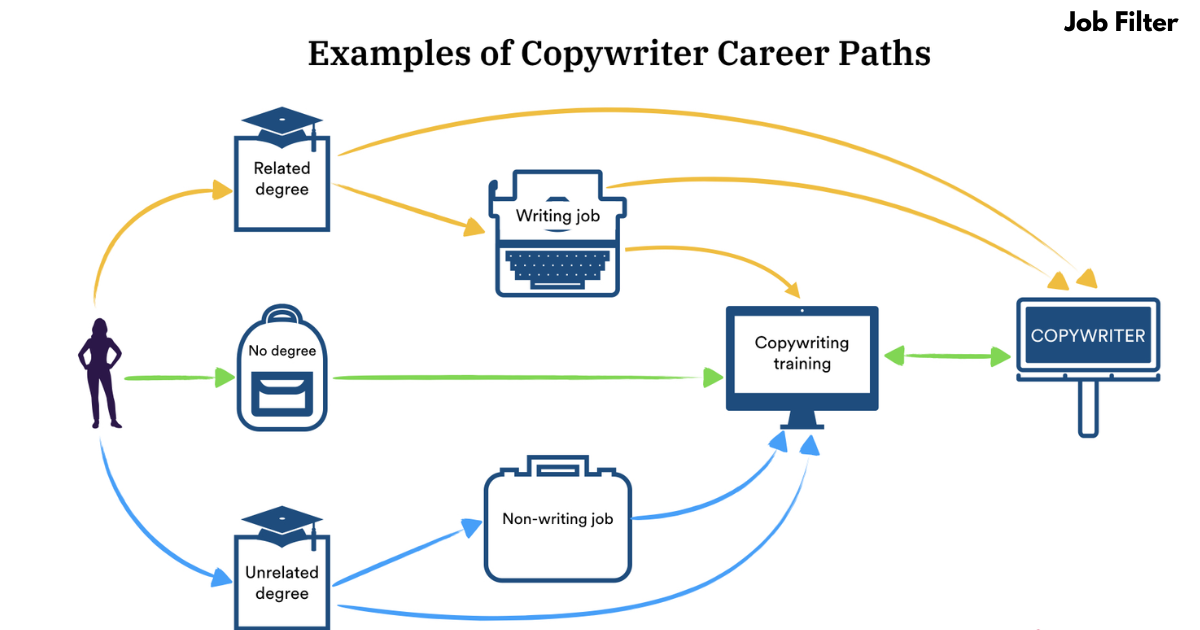
A bachelor’s degree is often preferred, particularly in English, Journalism, Communications, Marketing, or a related field. However, a stellar portfolio can sometimes outweigh formal education.
2. Portfolio
This is arguably more important than a degree. A portfolio showcases your best writing samples and is what employers will look at first. It should demonstrate your range and ability to write persuasive copy for different mediums.
3. Experience
Experience can be gained through internships, freelancing, or even writing for a personal blog. Many successful copywriters start by taking on small projects to build their portfolio.
Salary and Career Outlook
Salary Expectations
The salary for a copywriter varies widely based on experience, industry, location, and whether they are an employee or freelancer.
- Entry-Level: $45,000 – $60,000 per year.
- Mid-Level: $60,000 – $85,000 per year.
- Senior-Level: $85,000 – $120,000+ per year.
Freelance copywriters set their own rates, which can range from $50 to over $200 per hour for highly specialized work.
Career Growth
A career in copywriting offers a variety of paths.
- Specialization: Senior Copywriter, SEO Copywriter, Technical Copywriter, Content Strategist.
- Management: Creative Director, Content Marketing Manager, Director of Marketing.
- Entrepreneurship: Successful freelance copywriters or founders of a copywriting agency.
The outlook for copywriters is strong, as the demand for persuasive, high-quality content continues to grow across all industries.

The Importance of a Copywriter
Copywriters are the voice of their clients and brands. They are essential for:
- Building Brand Identity: Through consistent and compelling messaging.
- Driving Sales: Persuading potential customers to make a purchase.
- Connecting with Audiences: Creating content that resonates on an emotional level.
- Standing Out: Differentiating a brand from its competitors in a crowded marketplace.
How to Find Copywriter Jobs
- Online Job Boards: Indeed, LinkedIn, ProBlogger, and specialized sites like Contena.
- Freelance Platforms: Upwork, Fiverr, and Guru.
- Direct Outreach: Pitching to companies or marketing agencies you admire.
- Agency Work: Applying to advertising and digital marketing agencies.
Frequently Asked Questions (FAQs)
1. What is the difference between a copywriter and a content writer?
Answer: A copywriter focuses on creating persuasive content to drive sales and conversions (ads, landing pages, emails). A content writer focuses on providing value and information to attract and engage an audience (blogs, articles, guides). The lines often blur, but the primary goal is different.
2. Do I need a degree to be a copywriter?
Answer: While a degree in English, Communications, or Marketing is helpful, it is not always required. A strong, diverse portfolio that demonstrates your skills and persuasive abilities is often more important to employers than a specific degree.
3. Can I be a copywriter with no experience?
Answer: Yes, many copywriters start with no experience. Begin by building a portfolio. You can write sample pieces for fictional brands, start a blog, or do volunteer work for non-profits and small businesses to gain experience and testimonials.
4. What is the typical career path for a copywriter?
Answer: The typical path is from Junior Copywriter to Copywriter, then to Senior Copywriter, Copywriter Lead, Creative Director, or a related management role. Alternatively, you can branch out into freelancing or starting your own agency.
5. What software do copywriters need to know?
Answer: The most important tools are word processors (like Microsoft Word or Google Docs). For project management, tools like Asana, Trello, and Slack are common. Depending on the role, familiarity with content management systems (CMS) like WordPress and SEO tools like SEMrush or Ahrefs is also beneficial.

Conclusion
Copywriter jobs represent a dynamic, creative, and highly impactful career path. In a world saturated with content, the ability to craft words that cut through the noise, connect with audiences, and inspire action is an invaluable skill. For those who have a passion for language, a fascination with human psychology, and a desire to be at the heart of marketing and communication, copywriting offers a deeply rewarding profession.
With a strong portfolio, a commitment to continuous learning, and the ability to adapt to a changing digital landscape, a copywriter can build a successful and varied career. Whether you work for a major agency, an innovative tech company, or as a freelancer, the power of your words can have a lasting impact on how the world sees a brand.