Meta Description: Discover radiologist jobs—key responsibilities, required skills, salary expectations, and career growth in this vital medical specialty.
Introduction
In the modern medical landscape, accurate diagnosis is the cornerstone of effective treatment. Behind many of these diagnoses stands a highly specialized physician: the Radiologist. These medical doctors use advanced imaging techniques to peer inside the human body, providing critical information that guides patient care. A career as a radiologist is intellectually demanding, technologically advanced, and immensely rewarding.
This comprehensive guide explores everything you need to know about radiologist jobs, from the core responsibilities and essential skills to the extensive educational path, salary expectations, and career growth opportunities. If you are a medical student or healthcare professional considering a specialty that combines technology, science, and patient care, radiology offers a unique and compelling path.
What is a Radiologist?
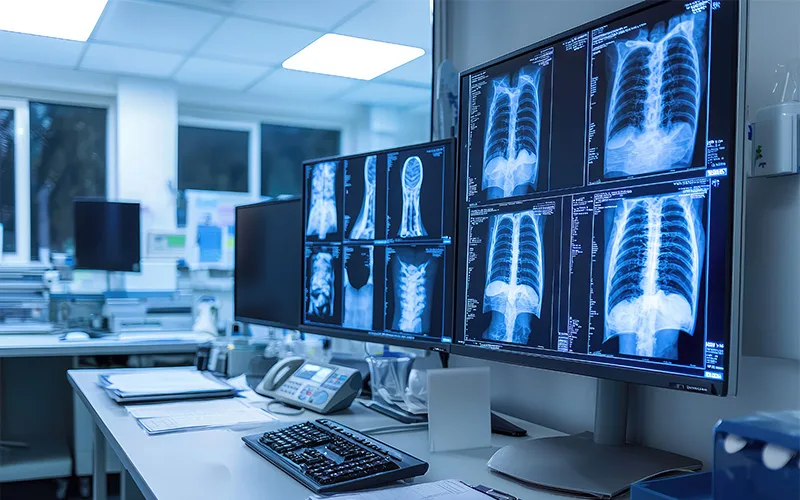
A Radiologist is a medical doctor (MD or DO) who specializes in diagnosing and treating diseases and injuries using medical imaging techniques. These techniques include X-rays, computed tomography (CT), magnetic resonance imaging (MRI), nuclear medicine, positron emission tomography (PET), and ultrasound.
Radiologists are experts in interpreting these images to diagnose a wide range of conditions, from broken bones and infections to cancers and cardiovascular disease. They are the “doctor’s doctor,” often consulting with other physicians to provide the most accurate diagnosis and recommend the best course of treatment. While much of the role is diagnostic, some radiologists also perform image-guided procedures, such as biopsies or minimally invasive surgeries.

Core Responsibilities of a Radiologist
The responsibilities of a radiologist are extensive and require a high degree of expertise.
1. Image Interpretation and Diagnosis
This is the primary function of the role. It involves:
- Analyzing Images: Expertly reviewing and interpreting medical images (X-rays, CT scans, MRIs, etc.).
- Diagnosing Conditions: Identifying abnormalities, diseases, and injuries based on imaging findings.
- Providing Reports: Writing detailed and accurate reports of their findings for referring physicians.
2. Performing Image-Guided Procedures
Many radiologists are interventional and perform minimally invasive procedures using imaging for guidance.
- Biopsies: Taking tissue samples for diagnosis.
- Drainage: Draining fluid from cysts or abscesses.
- Angiography: Visualizing and treating blood vessel issues.
- Tumor Ablation: Destroying tumors without open surgery.
3. Consulting with Other Physicians
Radiologists are key members of the patient care team.
- Collaboration: Consulting with referring doctors to discuss imaging findings and their clinical significance.
- Recommending Next Steps: Advising on the best course of action based on the imaging results.
4. Ensuring Safety and Quality
Protecting patients is a top priority.
- Managing Radiation Exposure: Adhering to strict safety protocols to minimize radiation exposure to patients and staff.
- Quality Control: Ensuring imaging equipment and protocols meet the highest standards.
5. Continuous Learning
The field of radiology is constantly evolving.
- Staying Current: Keeping up-to-date with the latest advances in imaging technology, techniques, and research.
- Research: Many radiologists are involved in clinical research to advance the field.
Essential Skills for a Successful Radiologist
To excel as a radiologist, a powerful combination of technical knowledge and personal attributes is required.
1. In-Depth Medical Knowledge
A comprehensive understanding of human anatomy, physiology, and pathology is essential for accurate image interpretation.
2. Exceptional Analytical Skills
The ability to analyze complex images, identify subtle abnormalities, and synthesize information for a diagnosis.
3. Keen Attention to Detail
A missed detail on an image can have serious consequences. Meticulousness is non-negotiable.
4. Communication Skills
Radiologists must be able to communicate their findings clearly in written reports and through verbal consultation with other physicians.
5. Problem-Solving Skills
The ability to solve complex diagnostic puzzles is at the core of the specialty.
6. Technical Aptitude
A comfort with and interest in advanced medical technology and software.
7. Empathy and Compassion
While often behind the scenes, radiologists must remember they are caring for patients and their families.
The Educational Path to Becoming a Radiologist
Becoming a radiologist requires extensive and rigorous education and training.
1. Undergraduate Degree
A bachelor’s degree (4 years) with a strong focus on pre-medical coursework (biology, chemistry, physics, and mathematics).
2. Medical School
Attend a medical school (MD or DO) for 4 years to earn a medical degree. This includes two years of classroom instruction and two years of clinical rotations.
3. Residency
After medical school, complete a 4-year residency in diagnostic radiology. This provides intensive, hands-on training in all aspects of the specialty.
4. Fellowship (Optional)
Many radiologists pursue a 1-2 year fellowship to sub-specialize in a specific area, such as:
- Neuroradiology
- Interventional Radiology
- Musculoskeletal Radiology
- Pediatric Radiology
- Cardiothoracic Radiology
5. Board Certification
After completing residency, radiologists must pass a rigorous board certification exam administered by the American Board of Radiology (ABR).
6. Licensure
Radiologists must be licensed to practice medicine in their state.
Salary and Career Outlook
Salary Expectations
Radiologists are among the highest-earning medical specialists. The median annual salary for radiologists in the United States is $300,000 – $400,000+. Interventional radiologists and those in private practice often earn on the higher end.
Career Growth
The career path for a radiologist is well-defined and offers leadership opportunities.
- Entry-Level: Attending Radiologist.
- Mid-Level: Senior Radiologist or Section Chief.
- Senior-Level: Division Chief, Department Chair, or Director of Radiology.
- Beyond: Leadership roles in hospital administration, or careers in teaching and research.
The outlook for radiology is excellent, driven by an aging population and the increasing use of medical imaging in diagnosis and treatment.
The Role of a Radiologist in Patient Care
Radiologists play an increasingly vital role in healthcare:
- Accurate Diagnosis: They are essential for the accurate diagnosis of countless conditions.
- Guiding Treatment: Their findings help guide treatment plans and surgical decisions.
- Early Detection: They are instrumental in the early detection of diseases like cancer.
- Minimally Invasive Care: Interventional radiologists offer less invasive treatment options.
Frequently Asked Questions (FAQs)
1. What is the difference between a radiologist and a radiologic technologist?
Answer: A radiologist is a medical doctor who interprets imaging studies and performs procedures. A radiologic technologist is a healthcare professional who performs the imaging exams under the radiologist’s supervision.
2. How many years does it take to become a radiologist?
Answer: The path takes approximately 13-14 years after high school: 4 years of college, 4 years of medical school, 4 years of residency, and often 1-2 years for a fellowship.
3. Is radiology a competitive specialty?
Answer: Yes, radiology is considered a highly competitive specialty to match into for residency due to its good lifestyle, high income potential, and the intellectually stimulating nature of the work.
4. What are the different types of radiologists?
Answer: There are two main types: Diagnostic Radiologists who interpret images, and Interventional Radiologists who perform image-guided procedures. Within these, many sub-specialize further.
5. What is the job outlook for radiologists?
Answer: The job outlook is excellent. The demand for diagnostic imaging is expected to continue to grow with an aging population and technological advancements, making radiologists a key part of the future of medicine.
Conclusion
Radiologist jobs represent one of the most intellectually stimulating and financially rewarding careers in medicine. This specialty blends advanced technology, deep medical knowledge, and patient care in a unique and vital way. Radiologists are the silent partners in healthcare, their expertise and insights being essential for accurate diagnosis and effective treatment. For medical professionals with a passion for technology, an analytical mind, and a desire to make a profound impact on patient outcomes, radiology offers a challenging and fulfilling career path.